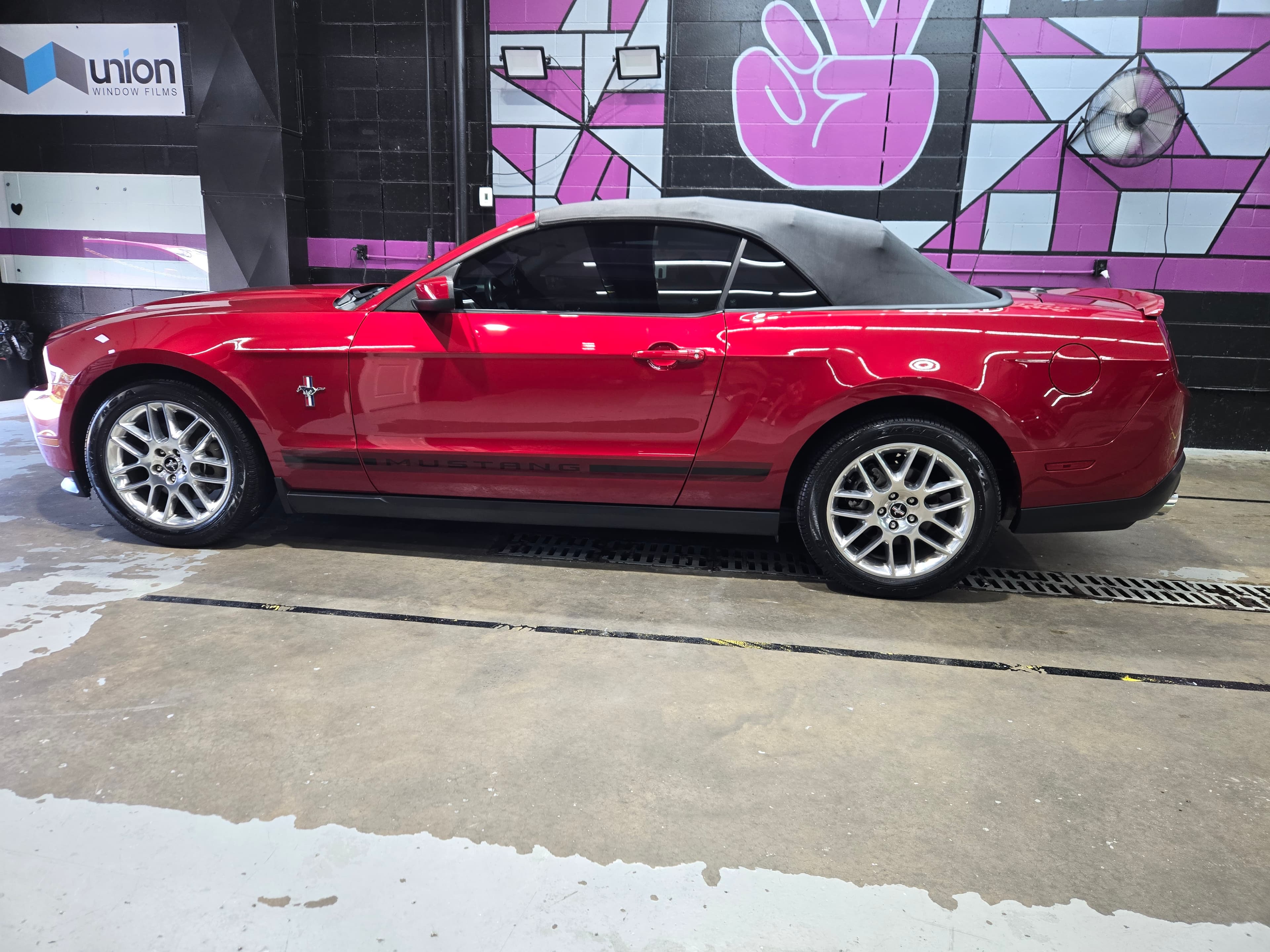

If you live anywhere along I-90/94 — Tomah, Mauston, Sparta, Onalaska, La Crosse — you know what salt-brine looks like sprayed across a black car in February. The white film, the etching, the rust spots that show up under door handles by April.
What salt actually does to paint
Modern WisDOT pre-treatment isn't just rock salt. It's a brine — sodium chloride, magnesium chloride, and calcium chloride — sprayed before snow events to keep ice from bonding to pavement. It works great on roads. It's terrible on vehicles.
- Salt absorbs moisture from the air (it's hygroscopic), keeping your paint and metal wet long after rain stops
- Brine penetrates seams, joints, and chips faster than dry salt
- Calcium chloride remains corrosive at much lower temperatures than rock salt
- Once trapped under trim or in body seams, it accelerates rust from the inside out
Where damage happens first
On the body itself, paint damage from salt is rare unless your clear coat is already compromised. The real issues:
- Rocker panels and lower doors — constant spray zone
- Wheel wells and under-fender liners — salt accumulates and stays wet
- Door bottoms and tailgate seams — drainage holes get clogged with salt mud
- Brake calipers, control arms, exhaust hangers — undercarriage corrosion
- Around stone chips on the front clip — bare metal exposed to brine
What actually helps
Frequent winter washes (the boring answer)
The most effective single thing you can do is wash the salt off — including the undercarriage. Touchless washes with undercarriage spray, every 2–3 weeks during salting season, prevents 90% of the damage. It's not glamorous, but it works.
Ceramic sealant or coating before winter
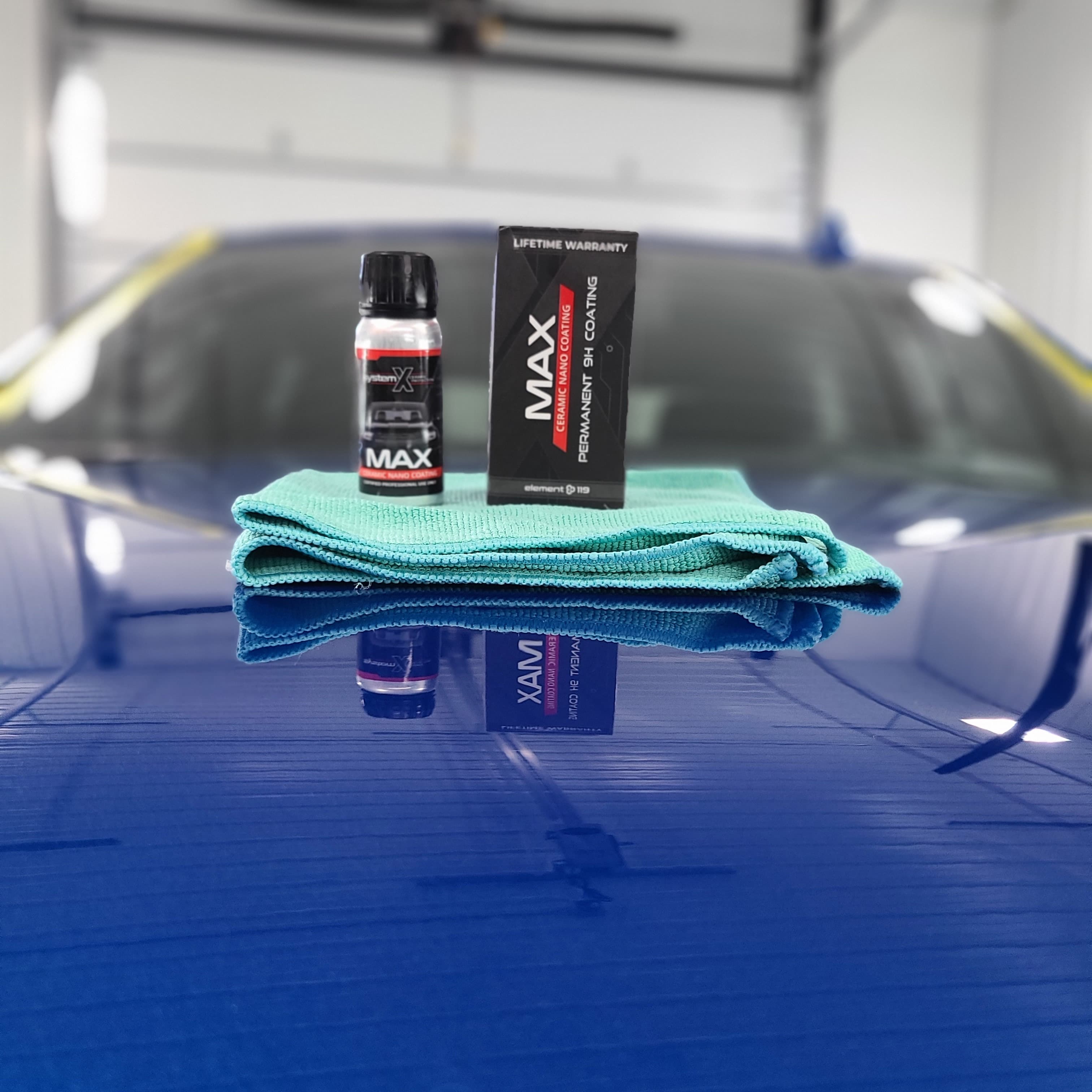
A pre-winter ceramic sealant or a long-life ceramic coating gives your paint a sacrificial layer. Salt residue still gets on the car — but it doesn't bond to the surface as aggressively, and the contaminants rinse off cleanly with a touchless wash.
Touch up rock chips before winter
Any chip down to bare metal is a rust starter. Even a quick dab of touch-up paint before salt season buys you a year. We can help identify chips that matter during a complete detail.
Protect the undercarriage
Annual undercarriage cleaning + a corrosion inhibitor on suspension components and frame seams makes a big difference for vehicles you plan to keep more than five years.
Want to set up a winter prep detail before the next salt event?
Quick answers.
How often should I wash my car in Wisconsin winter?
Every 2–3 weeks during the salting season (roughly October through March), or sooner after a heavy salt-brine event. Always include undercarriage spray.
Will a ceramic coating prevent salt damage?
It prevents salt from bonding to your paint and makes washes more effective. It does not stop salt from accumulating in wheel wells and undercarriage areas — those still need to be physically rinsed off.
Is it too late to protect my paint if winter is already here?
No. A mid-winter decontamination wash and ceramic sealant still helps significantly. Coatings can be applied year-round in our climate-controlled shop.